
Bone Grafting in Bloomsburg, PA
Strengthening the Foundation for Future Dental Treatment
Healthy jawbone structure plays a critical role in supporting teeth and dental implants. When bone loss occurs due to tooth loss, infection, or trauma, bone grafting can help rebuild that foundation. At Hamilton Dental Care, we provide bone grafting in Bloomsburg to restore lost bone and prepare patients for long-term restorative solutions.
Patients from Bloomsburg and surrounding communities including Berwick, Danville, Lewisburg, and Elysburg often require grafting before procedures such as dental implant placement. Surgical planning and treatment are carefully overseen by Dr. Joel Hamilton, Dr. Leigh Jacopetti-Kondraski, and Dr. Dany Ajlani using detailed imaging and modern techniques.
What Is Bone Grafting?
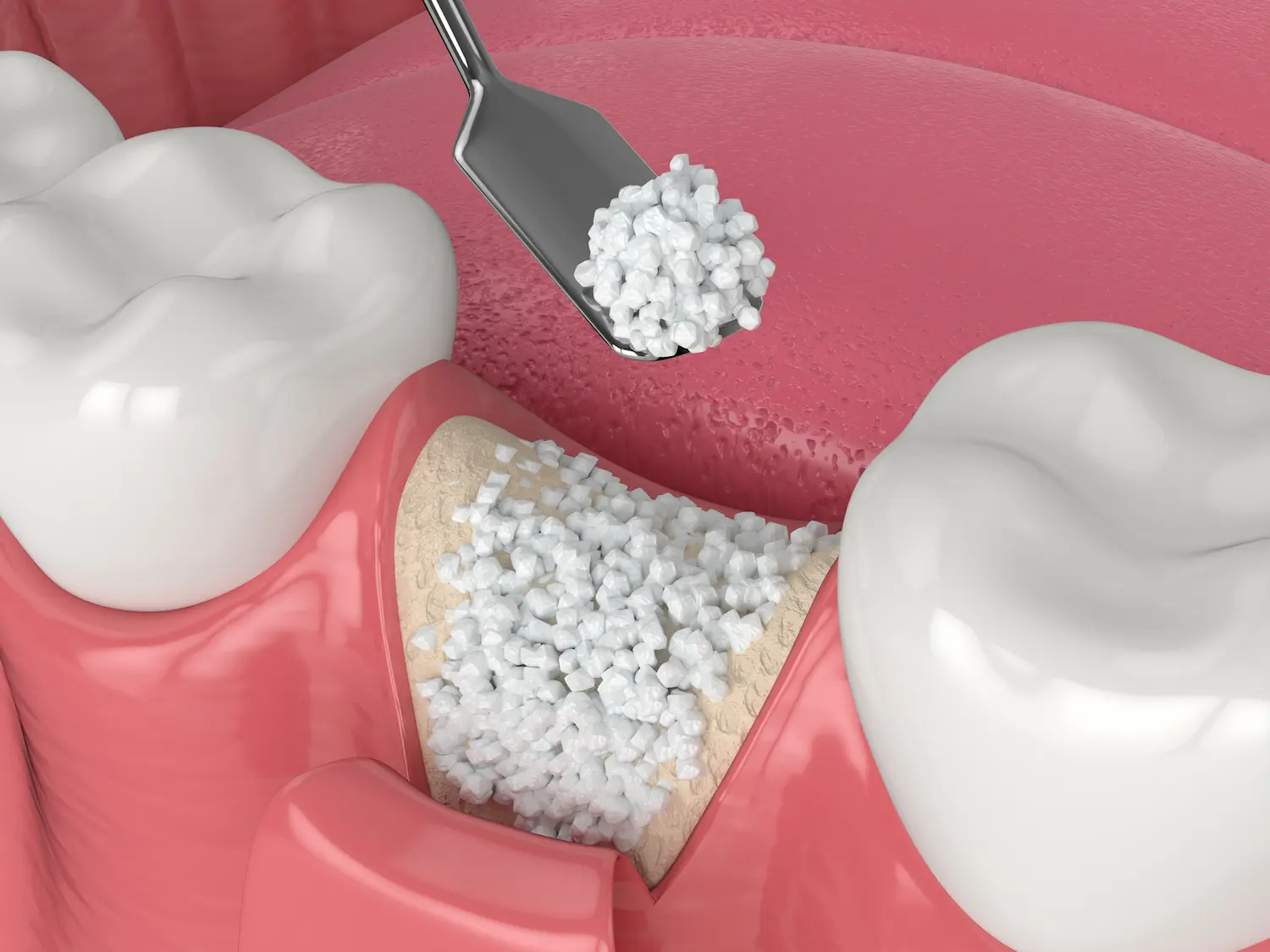
Bone grafting is a procedure that adds bone material to areas of the jaw where density or volume has diminished. The graft material encourages new bone growth over time, strengthening the area.
Bone loss may occur due to:
- Long-term tooth loss
- Periodontal disease
- Trauma or injury
- Infection
- Previous extractions
By rebuilding the bone, we create a more stable environment for future treatment.
When Is Bone Grafting Recommended?
Bone grafting is commonly recommended before:
If imaging reveals insufficient bone to securely anchor an implant, grafting may be necessary to improve long-term success.
Patients in Danville and Berwick appreciate understanding the importance of building a strong foundation before proceeding with advanced restorative work.
The Bone Grafting Process
The procedure begins with detailed imaging, often using advanced systems highlighted on our Dental Technology page.
The process typically includes:
- Comprehensive evaluation
- Placement of grafting material in the affected area
- Healing period to allow bone integration
- Re-evaluation before the next phase of treatment
Healing timelines vary depending on the size and location of the graft.
Types of Bone Grafting
Depending on your needs, grafting may involve:
- Socket preservation after extraction
- Ridge augmentation to rebuild width or height
- Sinus lift procedures for upper jaw support
Each approach is selected based on the extent of bone loss and your long-term restorative goals.
What to Expect During Recovery
After bone grafting, mild swelling or tenderness may occur. We provide detailed instructions to support healing and minimize discomfort.
Recovery guidelines typically include:
- Following dietary recommendations
- Maintaining oral hygiene carefully
- Attending follow-up visits
- Avoiding pressure on the grafted area
Most patients return to normal daily activities shortly after the procedure.
Frequently Asked Questions
Is bone grafting painful?
The procedure is performed with appropriate anesthesia to ensure comfort. Post-procedure soreness is usually manageable.
How long does healing take?
Healing time varies depending on the size of the graft and individual factors. We provide a personalized timeline during your consultation.
Is bone grafting always necessary before implants?
Not always. Some patients have sufficient bone to proceed directly with implant placement.
What materials are used for grafting?
Various graft materials may be used depending on the clinical situation. We review options and recommendations during your evaluation.
How can I review costs before treatment?
We provide a detailed treatment estimate before beginning care so you understand anticipated fees. Payment information and financing details are available on our patient information page.