
Dental Crowns in Bloomsburg, PA
Restore Strength, Function, and Natural Appearance
When a tooth is significantly weakened, cracked, or heavily restored, a dental crown can protect it from further damage while restoring its shape and function. At Hamilton Dental Care, we provide porcelain and ceramic dental crowns in Bloomsburg to rebuild compromised teeth with durable, natural-looking materials.
Patients from Bloomsburg and nearby communities including Berwick, Danville, Lewisburg, and Elysburg rely on crowns to reinforce teeth that can no longer support normal biting pressure on their own. Treatment planning and precise placement are overseen by Dr. Joel Hamilton, Dr. Leigh Jacopetti-Kondraski, and Dr. Dany Ajlani to ensure long-term stability and aesthetic harmony.
What Is a Dental Crown?
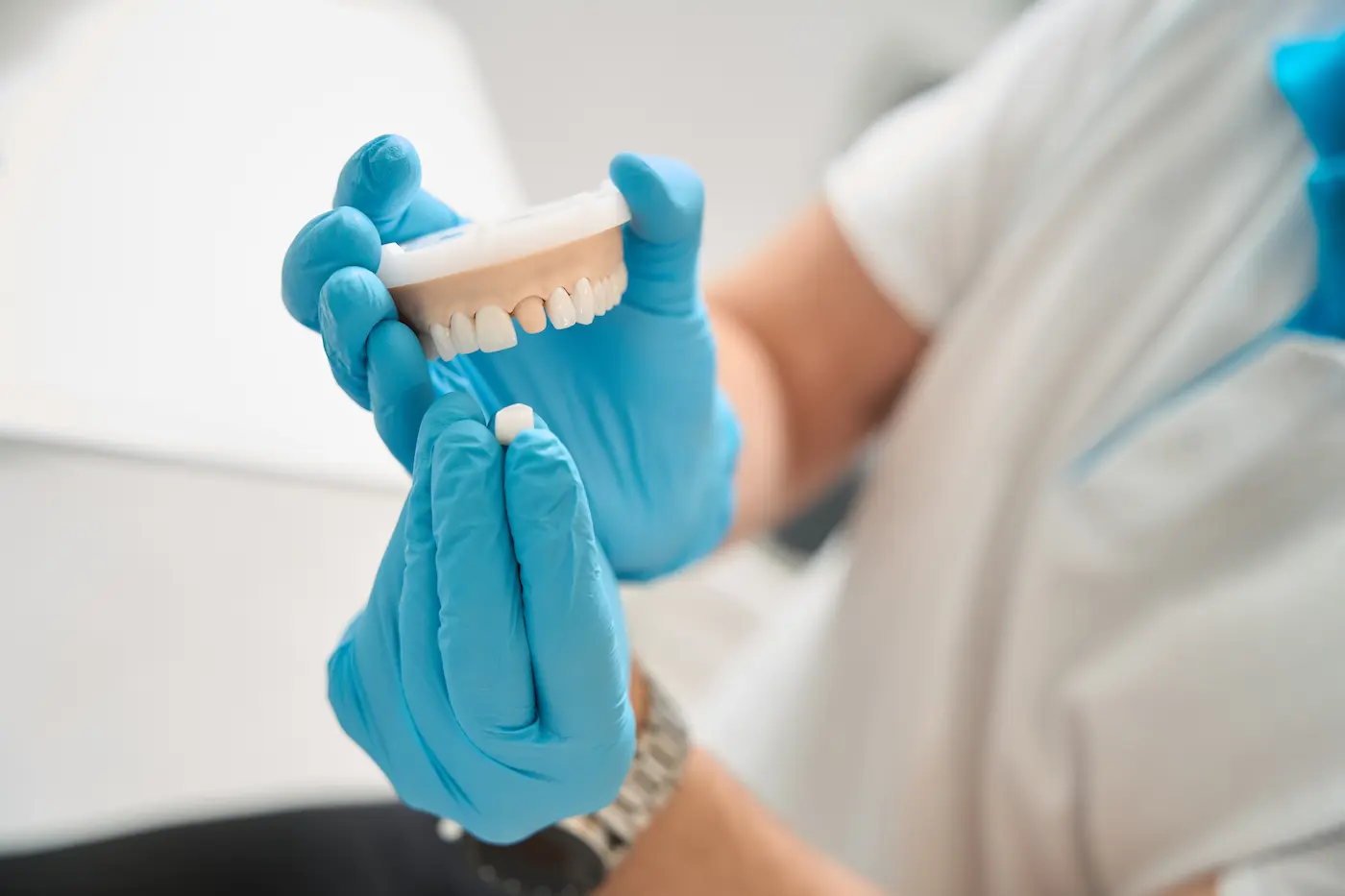
A dental crown is a custom-made restoration that fully covers the visible portion of a tooth above the gumline. It acts like a protective cap, restoring strength while improving shape and appearance.
Crowns are often recommended for:
- Teeth with large fillings
- Cracked or fractured teeth
- Teeth treated with Root Canals
- Severely worn enamel
- Cosmetic reshaping needs
- Supporting a Dental Bridge
By enclosing the tooth, a crown helps prevent further structural breakdown.
Porcelain and Ceramic Crown Options
We offer both porcelain and ceramic crowns to provide strength and lifelike aesthetics.
These materials offer:
- Natural translucency similar to enamel
- Excellent durability
- Biocompatibility
- Color matching to surrounding teeth
Because crowns are custom-fabricated, each one is designed to fit comfortably and blend seamlessly with your smile.
The Crown Placement Process
Receiving a dental crown typically involves two main appointments.
The process includes:
- Evaluating and preparing the tooth
- Taking digital impressions
- Placing a temporary crown
- Custom fabrication of the final restoration
- Cementing the permanent crown
Advanced imaging and scanning systems described on our Dental Technology page help ensure precise measurements and a secure fit.
Patients in Danville and Berwick appreciate clear communication about each step before treatment begins.
When Is a Crown Necessary Instead of a Filling?
Small to moderate cavities are often treated with Dental Fillings. However, when a large portion of the tooth is compromised, a filling may not provide enough structural support.
A crown may be recommended if:
- The tooth has extensive decay
- There is a significant fracture
- Previous restorations have failed
- Chewing strength must be restored
Crowns provide reinforcement that fillings alone cannot achieve in these situations.
How Long Do Dental Crowns Last?
With proper care, porcelain and ceramic crowns can last many years. Longevity depends on:
- Oral hygiene habits
- Bite forces
- Avoidance of grinding or clenching
- Regular dental checkups
- Dietary habits
Routine monitoring helps ensure the crown remains secure and the underlying tooth stays healthy.
Frequently Asked Questions
Does getting a crown hurt?
The tooth is numbed during preparation to ensure comfort. Mild sensitivity afterward is temporary in most cases.
Are porcelain and ceramic crowns strong enough for back teeth?
Yes. While all-metal crowns are sometimes recommended for maximum strength, modern ceramic materials are also highly durable and expertly designed to withstand heavy chewing pressure.
How long does the crown process take?
Most crowns require two visits, allowing time for precise fabrication in a dental laboratory.
Will my crown look natural?
Yes. Shade matching and contouring are carefully performed to blend with your surrounding teeth.
How can I review costs before treatment?
Before beginning the procedure, we provide a detailed estimate outlining expected fees. Payment arrangements and financing options are available on our patient information page.